

The pathway home: How Make Room supported Paul’s next chapter
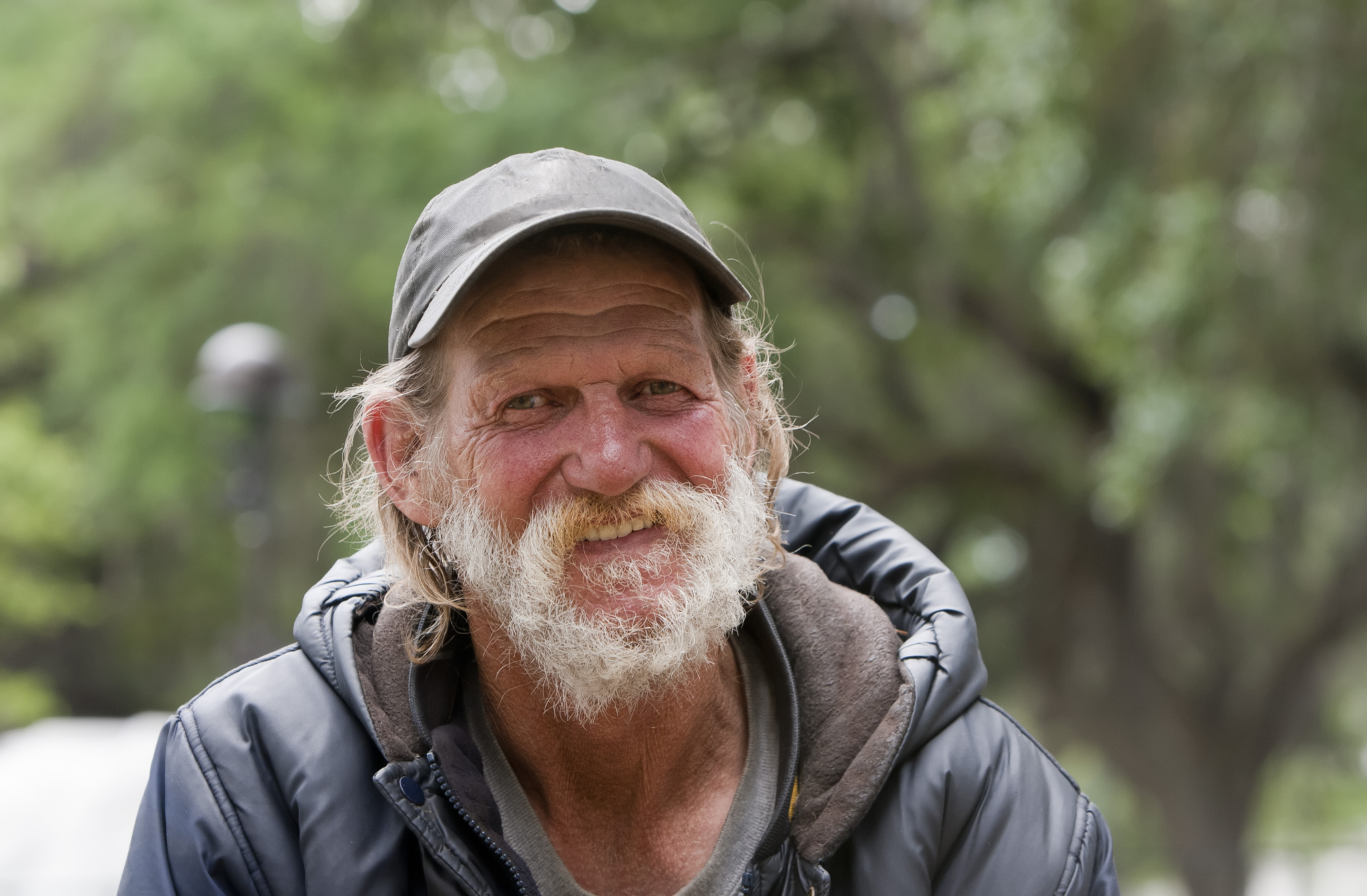
After experiencing homelessness on and off for many years, Paul knows how stable housing can change a person’s life.
“I was on the streets for a long time, about 12 years straight the first time. – Paul
Paul first experienced homelessness at the age of 26. Over the years, he moved between rough sleeping and temporary accommodation, including rooming houses where he often felt unsafe.
In June 2025, Paul moved into Make Room, a first-of-its-kind partnership between the City of Melbourne, Unison Housing, the Victorian Government and the philanthropic sector. Designed for people experiencing chronic homelessness, Make Room offers 50 secure studio apartments with tailored support for renters to achieve long-term housing stability. Each person has access to a high-quality, self-contained apartment, fostering a sense of autonomy and stability.
After arriving at Make Room, Paul spent the next 12 months working towards his goal of securing long-term housing. Integrated support gave Paul the stability and community he needed to take the next step. Having experienced a range of rough sleeping and housing over the years, Paul says the support available at Make Room stood out.
“Make Room was a lot better because they actually had more help.” – Paul
While living at Make Room, Paul accessed on-site support with Tessa, a Cultural Case Manager at Ngwala Willumbong Aboriginal Corporation (Ngwala). Ngwala provide Aboriginal and Torres Strait Islander renters with culturally safe and flexible support.
“I provide case management to anyone here who wants to engage with Ngwala. That means helping renters define their goals, linking them with cultural activities, and connecting them with community groups.” – Tessa
One of the most meaningful experiences during Paul’s time at Make Room has been reconnecting with his Aboriginal family history. With support from Tessa, he began tracing his family tree and learning more about relatives he had only ever heard about growing up.
“We’re doing a family tree of the Aboriginal side… and all the names that I’d heard before, I found out were uncles and aunties and I was able to find out who my family are.” – Paul
Coming from a large family, the experience has helped Paul better understand his family’s history while strengthening his connection to culture and Country.
“Participation in cultural practices, whether through art, community events, or returning to Country, can be a powerful part of the recovery journey,” Tessa explains.
For Paul, Make Room was about more than having a roof over his head. He enjoyed connecting with other renters through shared meals, rooftop BBQs and weekly art sessions, where he discovered a love of colouring. Paul was gifted a pencil set and colouring materials upon leaving Make Room, to encourage him to continue exploring his interest in art.
Paul says having support available when he needed it, along with on-site security, helped him feel more confident and settled as he prepared for permanent housing.
After a year at Make Room, Paul has transitioned into long-term social housing, achieving the goal he had been working towards. Make Room created lasting, positive change, ensuring Paul has the tools and support he needs to thrive in his permanent housing. Reflecting on his journey, Paul knows firsthand that the path out of homelessness can take time, but he hopes others experiencing housing insecurity don’t lose hope.
“Just keep your chin up and keep moving. Something will happen. You don’t know when, but it will.” – Paul
*Names and images in this story have been deidentified to protect renter privacy.